Snap rings and circlips: where they hold, and where they fail
A retaining ring is a shoulder in a groove, not a clamp. Sizing it by shaft diameter alone is the most common cause of early failure.
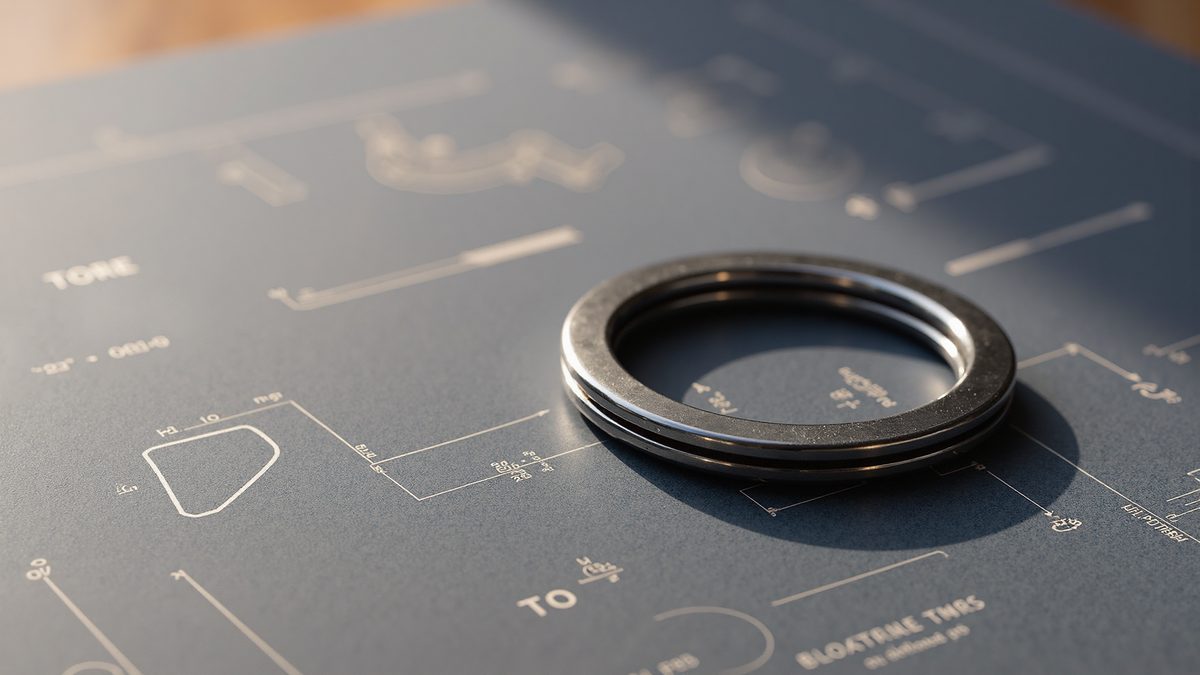
Groove geometry decides the load
The ring transfers thrust into the groove wall. If the groove is too shallow, the ring rolls out under load; if it is too wide, the ring rocks and the thrust is carried by a line rather than a face. Standard tables give groove width and depth for each shaft diameter, and those values should be treated as part of the design.
Thrust versus speed
Retaining rings are poor at carrying rotating thrust where the ring is free to spin against a shoulder. In those assemblies a shoulder or a spacer takes the load and the ring only prevents axial drift. Where the ring does carry load, hardened and phosphate finished rings are the usual choice.
Get a quote
Send the drawing, get a real answer.
Standard number, size and quantity is enough to start. For print parts, include material, tolerance and surface finish.